FAQ: UK Citizens and CCTV Privacy Rights

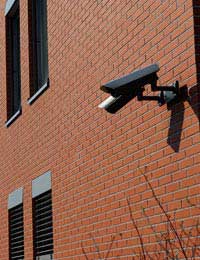
Britain has become known as a surveillance society. There are 4.5 million closed circuit television (CCTV) cameras in operation in the UK. There is dispute over whether CCTV is a valuable crime prevention method or simply an invasion of privacy.
How Many CCTV Cameras Are there in the UK?
Britain has the dubious honour of being the most widely CCTV monitored country in Europe. At present there is around one CCTV camera for every 14 people in the country. Each person in the UK is caught on camera around 300 times as they walk around town and city centres, drive along motorways and shop in their local supermarkets. The 4.5 million CCTV camera figure looks set to increase as the technology improves.How Do CCTV Cameras Affect Privacy Rights?
The use of CCTV can be an invasion of privacy. The cameras are capable of recording innocent people going about their daily activities. Under the Human Rights Act 1988 the use of CCTV in certain circumstances can be seen as an infringement on privacy. An individual who installs a CCTV camera that points on their neighbour’s property can be infringing on the neighbour’s right to privacy. CCTV cameras installed in the home should be used for home security only.Where are CCTV Cameras Commonly Found in the UK?
Anyone who lives in a town or city will find it hard not to notice CCTV cameras. Most town and city centres will have CCTV cameras. Stores, cinemas, restaurants, schools and pubs will usually have CCTV cameras in place. A great many employers now have cameras on their premises both inside and out. The use of CCTV is now endemic in the UK and the ‘big brother’ surveillance society has caused outrage with human rights campaigners.Why Are CCTV Cameras Used in Schools?
The use of CCTV in schools has been a controversial issue. A 2010 case involved cameras being installed in a school in Chelmsley Wood in the children’s toilets as a security measure. Parents and children had not been informed of the use of CCTV; the cameras simply appeared without prior notice. Parents were understandably unhappy about this invasion of their children’s privacy. But it has become standard practice for many schools to install multiple CCTV cameras as a security device.Are there Psychological Effects of CCTV?
For some people the use of CCTV in city centres does make them feel safer. For others there is the constant feeling of having their movements monitored. The adverse effects of CCTV monitoring for some people can be a constant feeling of paranoia, the feeling that an attack may occur. Many children who have had CCTV cameras placed in their school toilets would no longer use the facilities. According to the civil liberties group Big Brother Watch the UK is now raising a generation of children that are accustomed to being constantly monitored.Does CCTV Make a Difference on Crime?
There are two sides to the argument over CCTV and crime detection and prevention. According to the Home Office research statistics the use of CCTV makes no significant difference whatsoever on crime rates. Yet the Home Office itself has been promoting CCTV cameras as a major crime fighting tool. Research shows that only 14% of incidents caught using CCTV result in arrest. As a whole the installation of CCTV cameras may be a deterrent to crime but the statistics prove otherwise for individual isolated crimes.What is the Future of CCTV in the UK?
Technology is advancing at a rapid rate and the next step is to integrate CCTV cameras with crime prediction capabilities. This basically means that criminals will be recognised by suspicious actions- and crimes can be identified before they actually occur. This may sound far fetched but experts claim that criminals do use certain patterns before committing a crime. A car thief in a car park can be identified by the way they roam the car park indiscriminately looking for a certain vehicle. Once these criminal patterns have been identified on CCTV the operator can alert the authorities and prevent the crime.Is There an Alternative to CCTV cameras?
The Metropolitan police themselves have claimed that CCTV is ineffective in fighting crime. Many people see the correct alternative as less CCTV cameras and more policemen on the beat. The government have no plans to decrease the amount of surveillance in Britain whether or not it infringes of people’s privacy. Until proper regulation and accountability of CCTV occurs in the UK the infringement of privacy issue looks set to continue.
Related Articles in the 'Government & Legislation' Category...
- Police Computer Hacking Powers and Civil Liberties
- Consequences for Refusing a Full Airport Body Scan
- The 28 Day Pre Charge Detention Rule
- Airport Body Scanners a Breach of Privacy?
- FAQ: Are Smokers Losing Their Civil Rights?
- Government Security and Privacy Issues
- The Police and Your Civil Rights
- Civil Rights and Security Issues
- Stop, Search and Arrest Rights
- Your Rights If Suspected of a Crime
- The Right to Peaceful Protest
- The Right to Freedom of Speech
- Rights If Detained by the Police
- Challenging the Police
- Civil Partnership Rights
We have new neighbours who will only park outside houses with CCTV cameras. Due to car damage and personal assault by other neighbours I have CCTV pointed on my car. These new neighbours will take 3 parking spots to ensure their van or car is outside our house.
I now actively turn off / move my camera when they do this. Am I within my rights to put a sign in my window stating CCTV is not in operation when xxx license plate is parked outside.
K1 - 1-Oct @ 8:56 AM
Hi there is a cctv camera on a lamppost outside my home.. I don't know what rights I have to view what it records I just know I am constantly feeling personally violated as it seems to be looking straight into my living room. I don't know if it is or not . Do I have any right to ask to view what it records jut to put my mind at rest? I can't relax it's giving me a really constant feeling of paranoia so much so I have even contemplated moving house.. in my opinion you shouldn't feel like this in your own home. You should feel safe and be comfortable to walk around naked if you so wish too. Thankyou
Jessy - 27-May @ 9:37 PM
anne1 - Your Question:
I have installed CCTV as we have suffered damage to my car (parked on street) and had a rear window smashed.I have one camera at the back of the house and one at the front.The rear camera looks at a little piece of my neighbours gardens , I live in a terraced house. The front camera looks onto the roadI am using my cameras purely as a security measure and also believe one of my neighbours is responsible for the damage to my house and car.Police have advised me I can do this and they welcome cctv in the area but I am worried about the positioning of the cameras Please advise , thanks
Our Response:
If you neighbours object to your filming their part of the garden or on the road outside then you can be made to re-site them.
CivilRightsMovement - 9-May @ 1:57 PM
I have installed CCTV as we have suffered damage to my car (parked on street) and had a rear window smashed.
I have one camera at the back of the house and one at the front.
The rear camera looks at a little piece of my neighbours gardens , i live in a terraced house. The front camera looks onto the road
I am using my cameras purely as a security measure and also believe one of my neighbours is responsible for the damage to my house and car.
Police have advised me I can do this and they welcome cctv in the area but I am worried about the positioning of the cameras
Please advise , thanks
anne1 - 8-May @ 11:36 AM
Di - Your Question:
Hi I rent a cafe from a landlord and we were broken into we had cctv but didn't know how to use it. My landlord came and took it away but he has told me that he is now watching us working in the cafe on his cctv at home I would like to know if he can do this
Our Response:
It does sound very appropriate especially as he's your landlord and not your employer. Ask him to stop, if it carries on (or you think it is), seek legal advice.
CivilRightsMovement - 17-Nov @ 12:06 PM
Hi I rent a cafe from a landlord and we were broken into we had cctv but didn't know how to use it. My landlord came and took it away but he has told me that he is now watching us working in the cafe on his cctv at home I would like to know if he can do this
Di - 16-Nov @ 1:18 PM
Jay - Your Question:
Hi I am desperately looking for some advice, I am being targeted by 2 neighbours in the street I live in, one of them has a cctv camera pointing straight at my house and has been confirmed by the police that it's on my front door and gets in my windows, the other neighbour constantly goads myself and my children whilst the other has on camera any time I retaliate to this, I have been told by the police that although they have advised her to move it they can't make her as she's not a business and I can only go through a solicitors? Is this correct? The camera has been there for 2 years I constantly feel myself and children are being watched please help thanks.
Our Response:
You can take a personal court action for invasion of privacy. You may want to seek individual legal advice from a professional.
CivilRightsMovement - 1-Aug @ 2:06 PM
Hi I am desperately looking for some advice, I am being targeted by 2 neighbours in the street I live in, one of them has a cctv camera pointing straight at my house and has been confirmed by the police that it's on my front door and gets in my windows, the other neighbour constantly goads myself and my children whilst the other has on camera any time I retaliate to this, I have been told by the police that although they have advised her to move it they can't make her as she's not a business and I can only go through a solicitors?Is this correct? The camera has been there for 2 years I constantly feel myself and children are being watched please help thanks.
Jay - 31-Jul @ 8:20 PM
My neighbour has installed a spy hole cctv device which faces the communal door, he has been harassing me and is obsessed with me, this is just another way to harrass me it is both Housing association
what can I do about this?
ressa - 14-Jun @ 6:14 PM
Reynard - Your Question:
Is it legal for a landlord of a multi-occupancy house to instal CCTV inside the property, in the hallway and landing areas (tenants are being filmed going to the kitchen and the bathroom etc)?
Our Response:
You might want to ask the landlord of the property. CCTV is often installed in communal entrances for security purposes.
CivilRightsMovement - 7-Oct @ 12:40 PM
Is it legal for a landlord of a multi-occupancy house to instal CCTV inside the property, in the hallway and landing areas (tenants are being filmed going to the kitchen and the bathroom etc)?
Reynard - 7-Oct @ 12:16 PM
GeeCeeEss - Your Question:
Due to fears about possible damage or intrusion to my house, I installed two external CCTV cameras.One camera is aimed at my front door and the other is aimed at rear patio doors.I completed the installation solely fr security purposes.My neighbour has installed a CCTV camera inside an upper floor bedroom window that is pointing (I think exclusively) at my rear patio.I believe this to be an infringement on my privacy and that it may be in contravention of Human Rights Act and possible other legislation related to one's right to privacy.I have been in dispute with said neighbour on matters of excessive noise because she keeps 6 dogs, 2 parrots and a pig! This is a matter that has been reported to the Environmental Health Dept of the town council.I suspect this CCTV installation by my neighbour is something to do with our dispute over animal noise.There is no direct communication between me and this neighbour.Please advise what my best course of action is.
Our Response:
If you contact your local police, they will take a look at how your neighbour's CCTV cameras are sighted and if necessary remove them/re-position them.
CivilRightsMovement - 30-Sep @ 12:26 PM
Due to fears about possible damage or intrusion to my house, I installed two external CCTV cameras.
One camera is aimed at my front door and the other is aimed at rear patio doors.
I completed the installation solely fr security purposes.
My neighbour has installed a CCTV camera inside an upper floor bedroom window that is pointing (I think exclusively) at my rear patio.
I believe this to be an infringement on my privacy and that it may be in contravention of Human Rights Act and possible other legislation related to one's right to privacy.
I have been in dispute with said neighbour on matters of excessive noise because she keeps 6 dogs, 2 parrots and a pig! This is a matter that has been reported to the Environmental Health Dept of the town council.
I suspect this CCTV installation by my neighbour is something to do with our dispute over animal noise.
There is no direct communication between me and this neighbour.
Please advise what my best course of action is.
GeeCeeEss - 29-Sep @ 3:47 PM
@Kris. Your neighbour's CCTV should only capture their own property and not any public areas. Contact your police on a non emergency number to report this. You should also report any racist or anti social behaviour in the same way.
CivilRightsMovement - 9-Jul @ 11:36 AM
I feel my family been targetted racially by the british people who lives locally in my town . They have done so manydisgusting things like leaving human and animal poo (waste) aaroundy property which is under housing association. The housing association says I am not allowed to install cctv onthe property because I am just renting it. But my neighbour opposite bought their house so thwy are allowed to capture peopl walking on the street because their cars are parked on it.
What is my right after been bullied for so many years by british people in this small town. I am not black not muslim and I keep myself to.myself with my four kids.
This is happening constantly.
Please advise me who to turn to to challenge my housing association for me to install home cctv and not on pu blic path.
The aster housing association had refused my request for home cctv for security for my family. All my kids under 9years old.
Thank you.
kris - 6-Jul @ 1:51 AM
My neighbour has audio on her CCTV that is picking up the front of my house by my front door and I live two doors away. Surely this is an invasion of privacy?I am now keeping all windows shut at the front of my house as she has invited other neighbours in to view when there was an argument at my door. I have absolutely no objection to her CCTV but the audio that is stopping me from being able to hold conversations anywhere on the front of my property. Council are being very unhelpful. I am feeling very intruded on because this has been going on for ages without my knowledge.
Justme. - 20-Jun @ 3:23 PM
@Toon. If the police have inspected the CCTV and are happy with the situation, then you can assume that it is all legimate. However, you can ask the police for more information about what they've assessed and what they would consider unacceptable etc.
CivilRightsMovement - 27-Oct @ 10:59 AM
in a neighbouring street a person has set up a home cctv system which does not fully cover his property ie driveway and cars but exclusiverly monitors a road and houses outside of his street. The police maintain no wrong doing but does the Human Rights Act 1988 and or the DPA 1998 dispute this. Please advise because this unwanted surviellance is causing me distress.
Toon - 24-Oct @ 10:36 AM

Re: Rights If Your Child is Arrested
Advice- My 16year old was arrested in an allotment for theft of a motorbike,which was found in the allotment shed(he didnt…
Re: Police Computer Hacking Powers and Civil Liberties
For the past three years, I've been involved in Forex trading, constantly learning new strategies…
Re: Dealing With Discrimination in Bars and Restaurants
Hi I have a nut allergy (anaphalaxis). Today, I went for lunch with friends to a restaurant I had…
Re: Are Biometric Cards For Children's Dinner Payments Ethical?
Hi. The TruthTeller from England UK. And the following is some disturbing facts on UK…
Re: Anti Social Behaviour Orders, ASBOs: Your Rights
We received an asbo for fixing our car, on our driveway. We’re now not allowed to do anything to do with…
Re: Civil Rights in the Uk
British Guardian Newspaper Journalist Owen Jones who claims to be a radical leftist journalist has been recently contacted about the…
Re: Government Security and Privacy Issues
Seek advice
Re: Government Security and Privacy Issues
My neighbour in UK is recording our private conversations between me and my wife plus visitors, through our party…
Re: Is the Mosquito Alarm an Infringement on Human Rights?
I can see both sides and there clearly needs to be a balance. The point of rights is that they…
Re: Police Computer Hacking Powers and Civil Liberties
Hi There Thames Valley Police are doing the exact same thing to me which has been going on for 5…